How to Freeze Kale
This post may contain affiliate links. As an Amazon associate, I earn a commission from qualifying purchases.
Kale is a nutrient powerhouse and is an incredibly versatile green, perfect for adding to soups, stews, kale smoothies, and more. Here’s how to freeze it so you can enjoy it all year long.
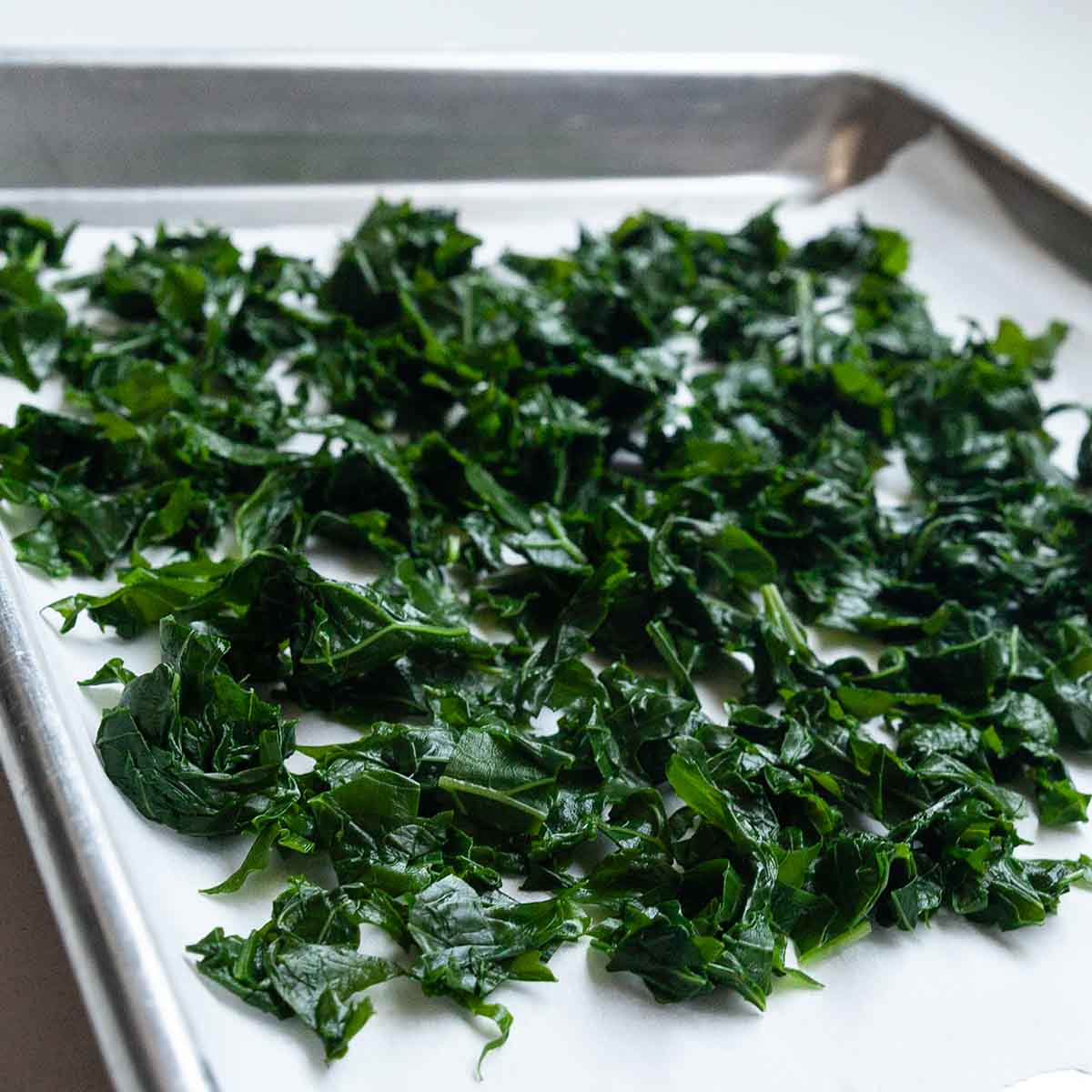
Recipe at a Glance: How to Freeze Kale
- Details
- Preservation method: Freezing
- Storage: Sealed bags in freezer
- Storage life: Up to 1 year in the freezer
- uses for FROZEN KALE
- Add it to salad dressings or pesto.
- Stir it into soups, stews, and creamy pasta dishes.
- Blend it into smoothies.
Kale is abundant in my garden in both the spring and fall, and although it makes a great addition to salad, I can never eat everything the garden produces during that time. Thankfully, it freezes wonderfully, and the frozen leaves are perfect for quick smoothies, or as a nutritious addition to hearty winter soups and stews. I often swap kale for spinach in these recipes simply because the kale leaves hold up better.
Ingredients & Substitutions
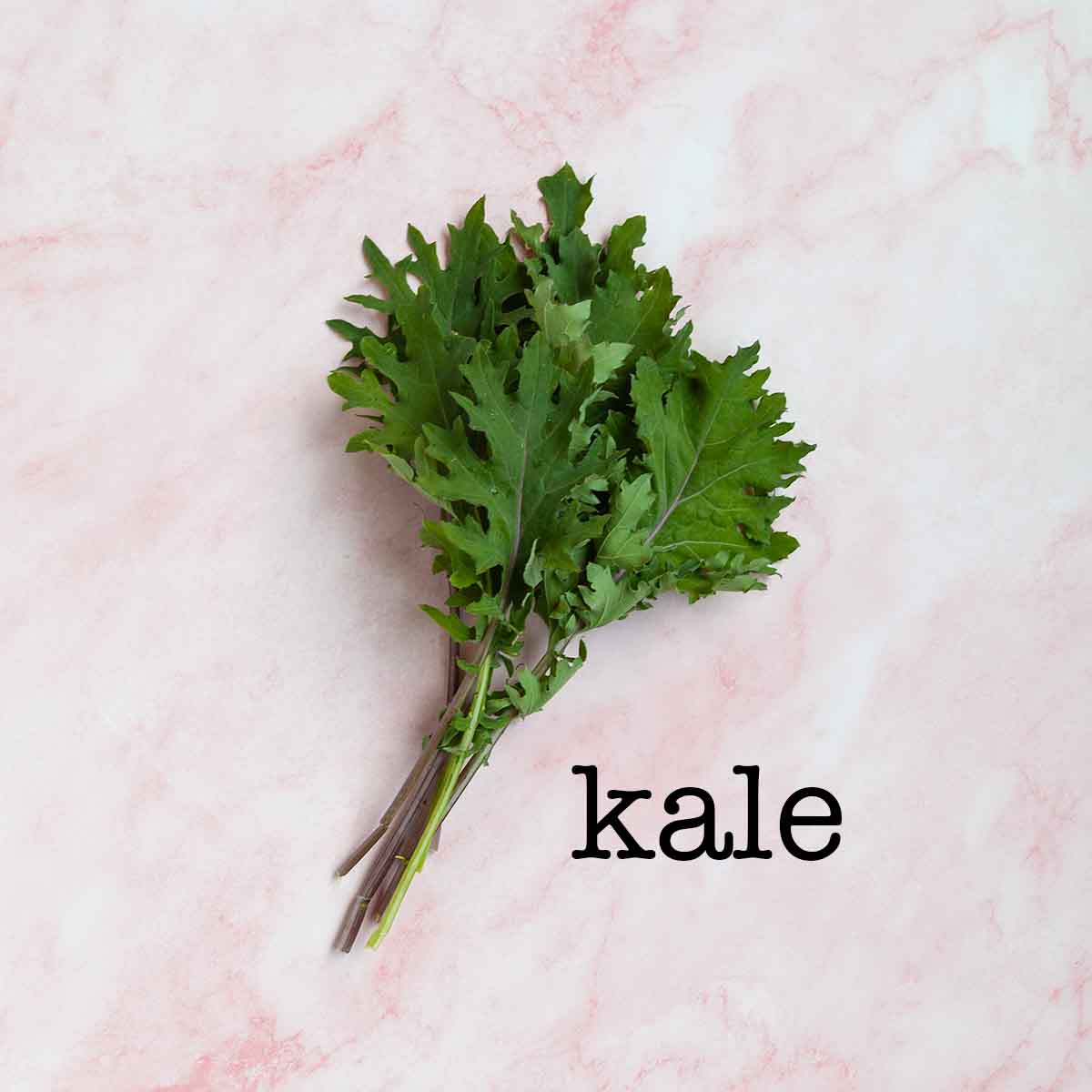
- Kale–This hearty green comes in an abundance of varieties. Any type will work for this recipe. Look for firm leaves that are free of blemishes.
How to Freeze Kale Leaves
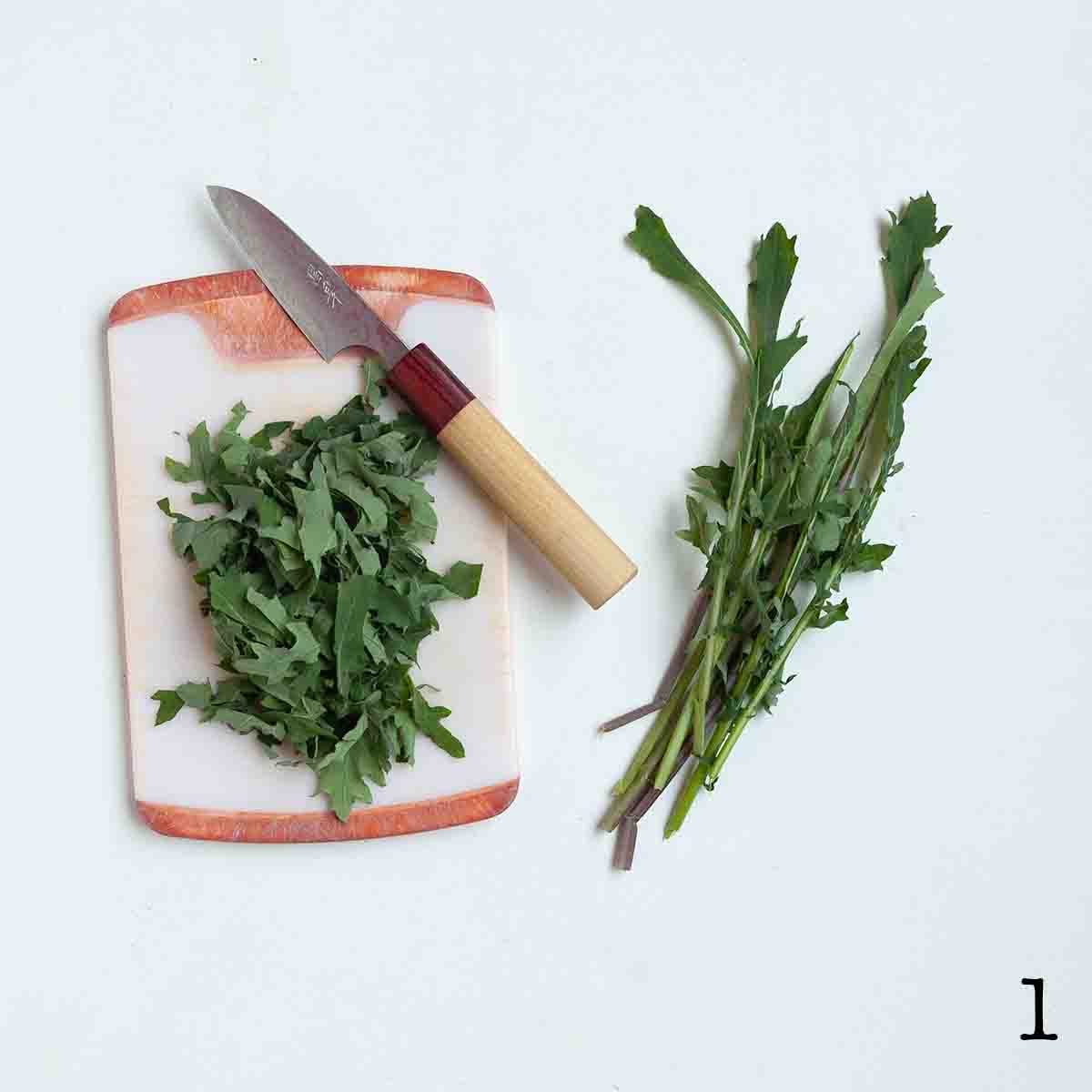
1. Remove the leaves from the stems and coarsely chop the leaves. Compost the stems.
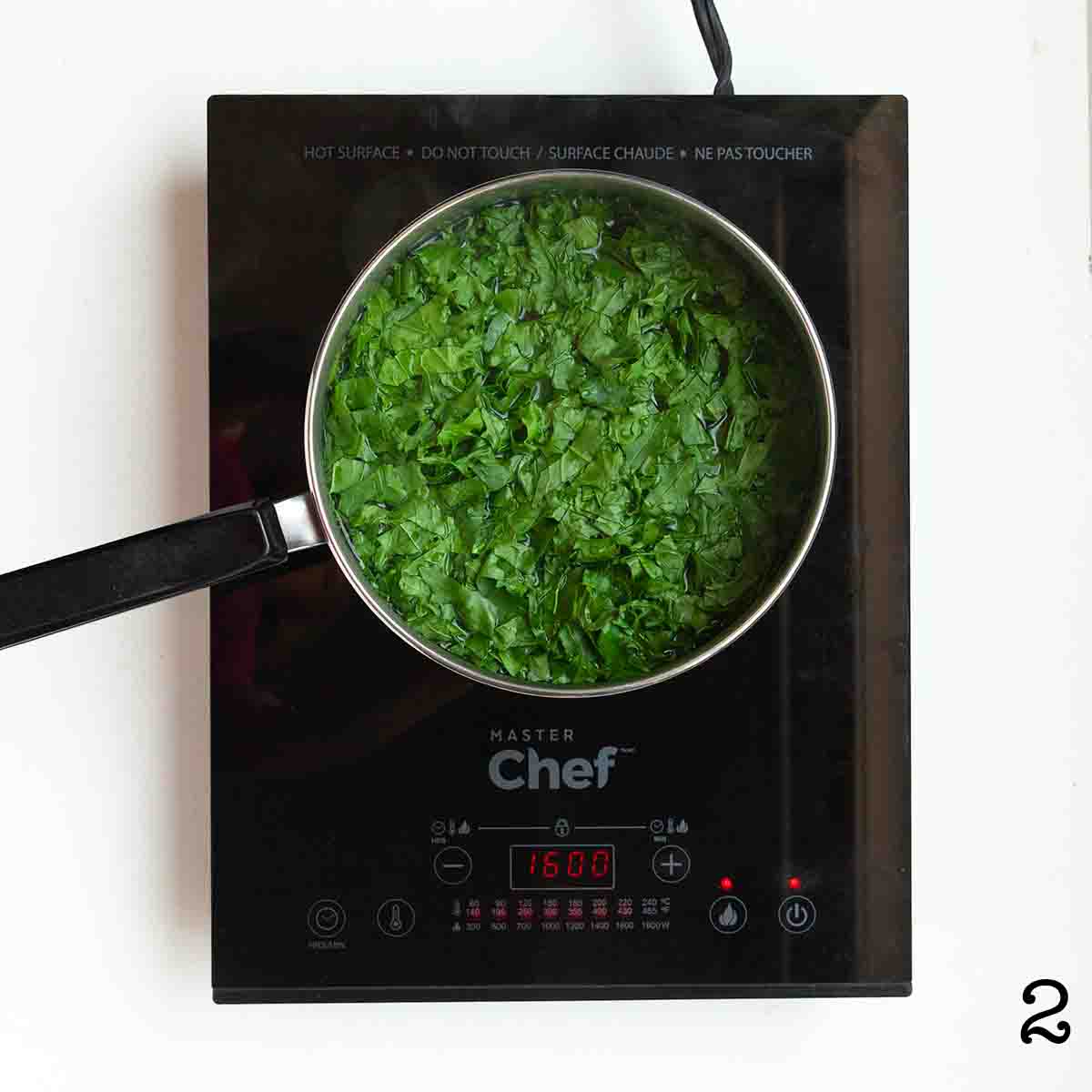
2. Cook the kale in boiling salted water for 1 to 2 minutes.
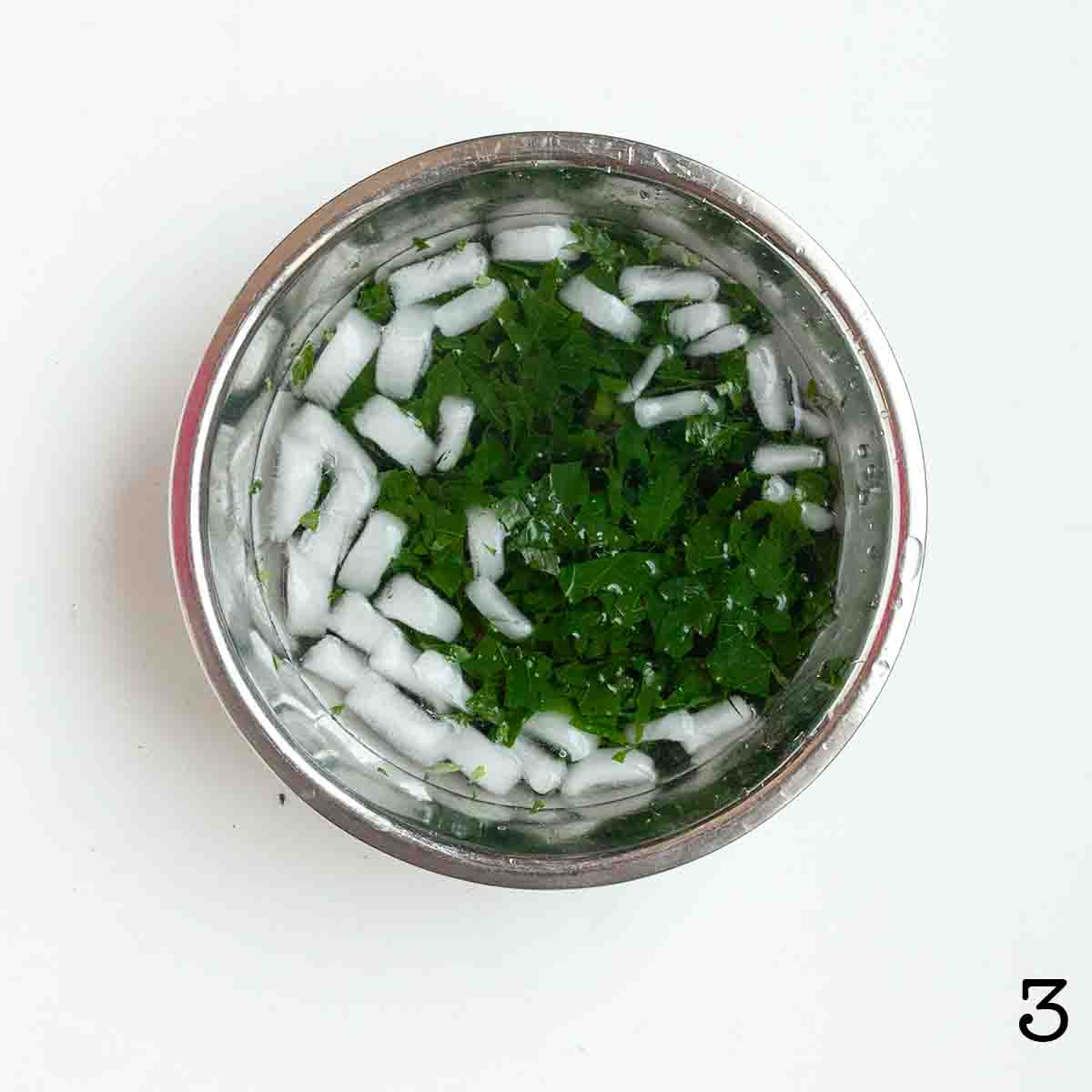
3. Drain and transfer the kale leaves to a bowl of ice water.
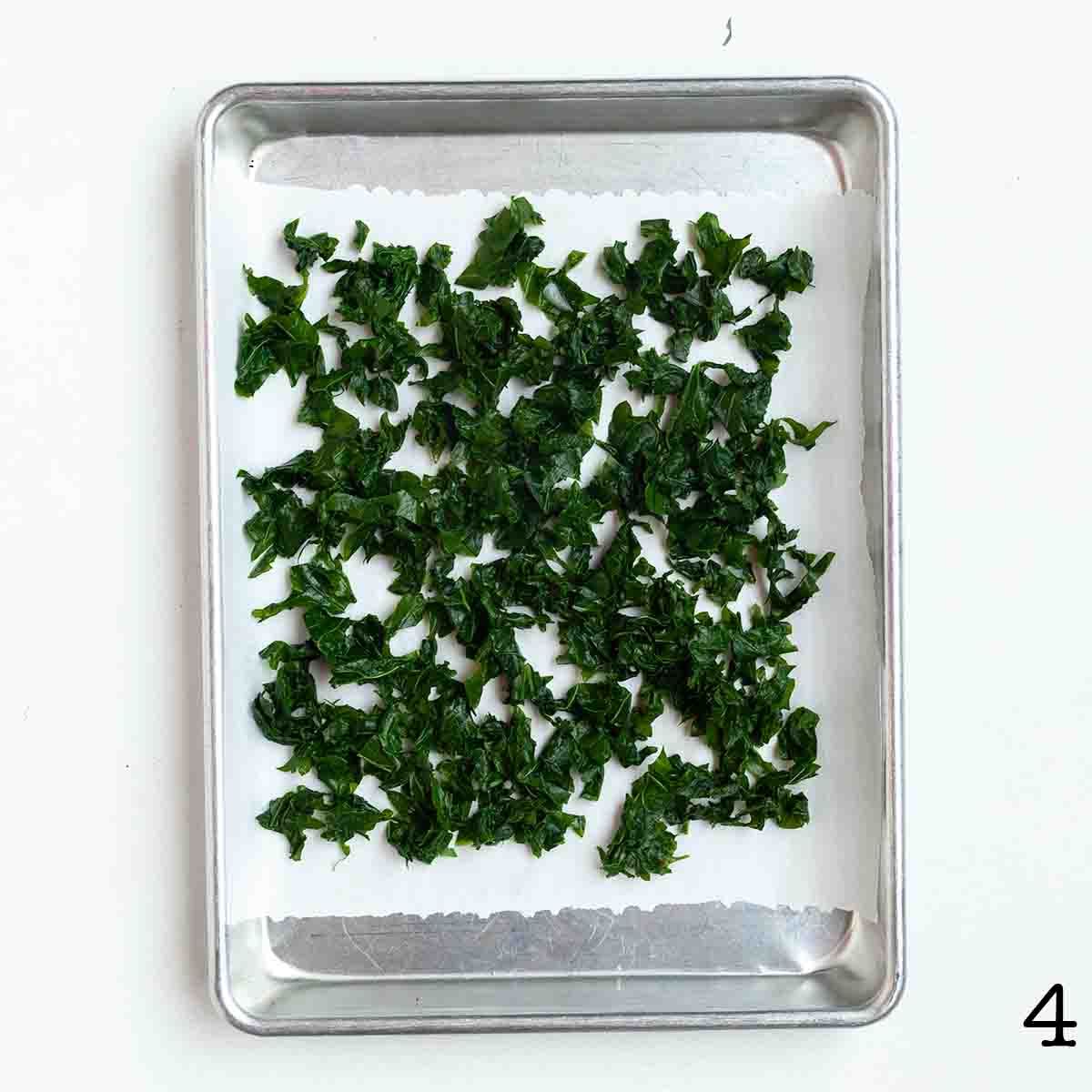
4. Drain and dry the cooled kale. Arrange it in a single layer on a parchment-lined baking sheet and freeze.
FAQs
Blanching the kale will help to extend the freezer life of it, and the process helps to prevent color and nutrient loss from the leaves over time. Blanching also reduces the volume of the kale, allowing you to store more in a smaller space.
Although it’s tempting to squeeze the liquid from the leaves, I find that this causes them to stick together, making them difficult to separate for freezing. I use a salad spinner to gently dry the blanched kale, then pat dry with paper towel to remove any remaining moisture.
Yes. You’ll need to chop the stems, then boil them for 3 minutes before adding to the ice bath. Kale stems are a great addition to smoothies or finely chopped or blended sauces, like pesto.
How to Use Frozen Kale Leaves
Your frozen kale leaves will last you all year long, and you can take just as much as you need from the bag, which makes them very versatile. Here are a few suggestions for how to use them throughout the year.
- Add them to blended salad dressings, or toss them into the food processor when making pesto or chimichurri.
- Stir the chopped frozen leaves into cozy soups, stews, or creamy pasta dishes.
- Blend them into smoothies along with frozen fruit.
Storage
Store your frozen kale in sealed freezer bags for up to 1 year. Always label and date your freezer bags to help you keep track of your freezer contents.
Tips & Troubleshooting
- If you are freezing several bunches of kale at once, you may need to work in batches. Use a slotted spoon to transfer the kale from the boiling water to the ice bath, then reuse the boiling water for the next batch. The kale will reduce greatly in volume as it cooks and you can fit several bunches on a single baking sheet.
- Don’t skip the parchment paper! It helps to prevent the kale from freezing to the baking sheet.
- This recipe is suitable for gluten-free, dairy-free, and vegan diets.
How to Freeze Kale

Ingredients
- Salt
- Kale
Instructions
- Bring a large pot of generously salted water to a boil over high heat. Prepare a large bowl of ice water.
- While the water is coming to a boil, remove the leaves from the kale by slicing along either side of the stem. Coarsely chop the leaves and compost the stems. (See the FAQ section if you wish to freeze the stems).
- Add the kale leaves to the boiling water, pressing on them gently with a spatula to completely submerge them. Cook until they begin to wilt and are bright green in color, 1 to 2 minutes.
- Drain the kale and immediately transfer it to the ice bath. Let it cool for 1 minute, stirring gently to ensure it all cools evenly.
- Drain and dry the cooled kale. I use a salad spinner and pat the leaves dry, but you can also arrange them on layers of paper towel.
- Arrange the leaves in a single layer on a parchment-lined baking sheet. Freeze until solid, about 3 hours. Transfer the leaves to a labeled freezer bag, seal and store for up to 1 year.
Notes
- Working in batches–If you are freezing several bunches of kale at once, you may need to work in batches. Use a slotted spoon to transfer the kale from the boiling water to the ice bath, then reuse the boiling water for the next batch. The kale will reduce greatly in volume as it cooks and you can fit several bunches on a single baking sheet.
- Don’t skip the parchment paper!–It helps to prevent the kale from freezing to the baking sheet.
- Dietary–This recipe is suitable for gluten-free, dairy-free, and vegan diets.