Orange Lemon Marmalade
This post may contain affiliate links. As an Amazon associate, I earn a commission from qualifying purchases.
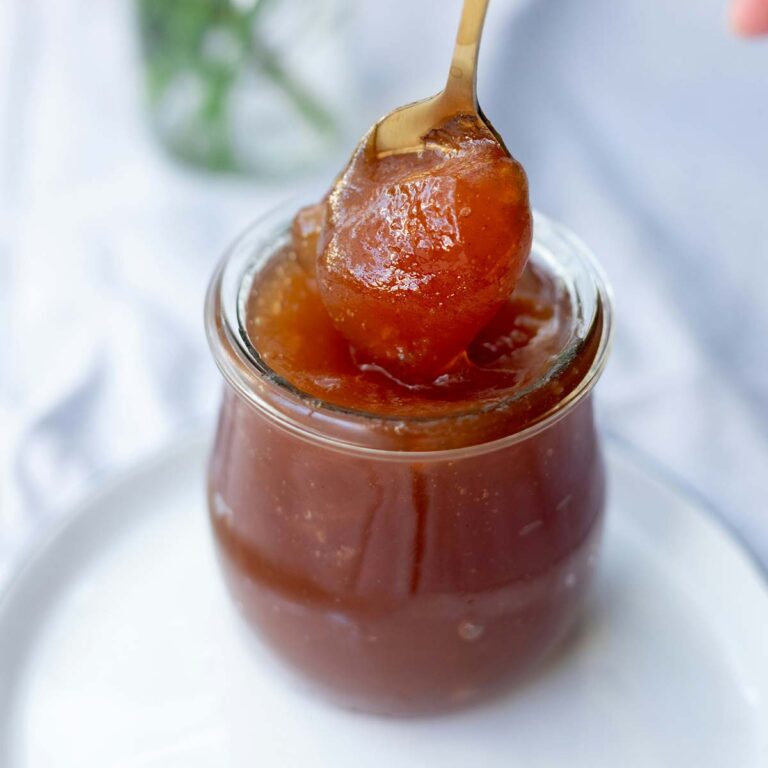
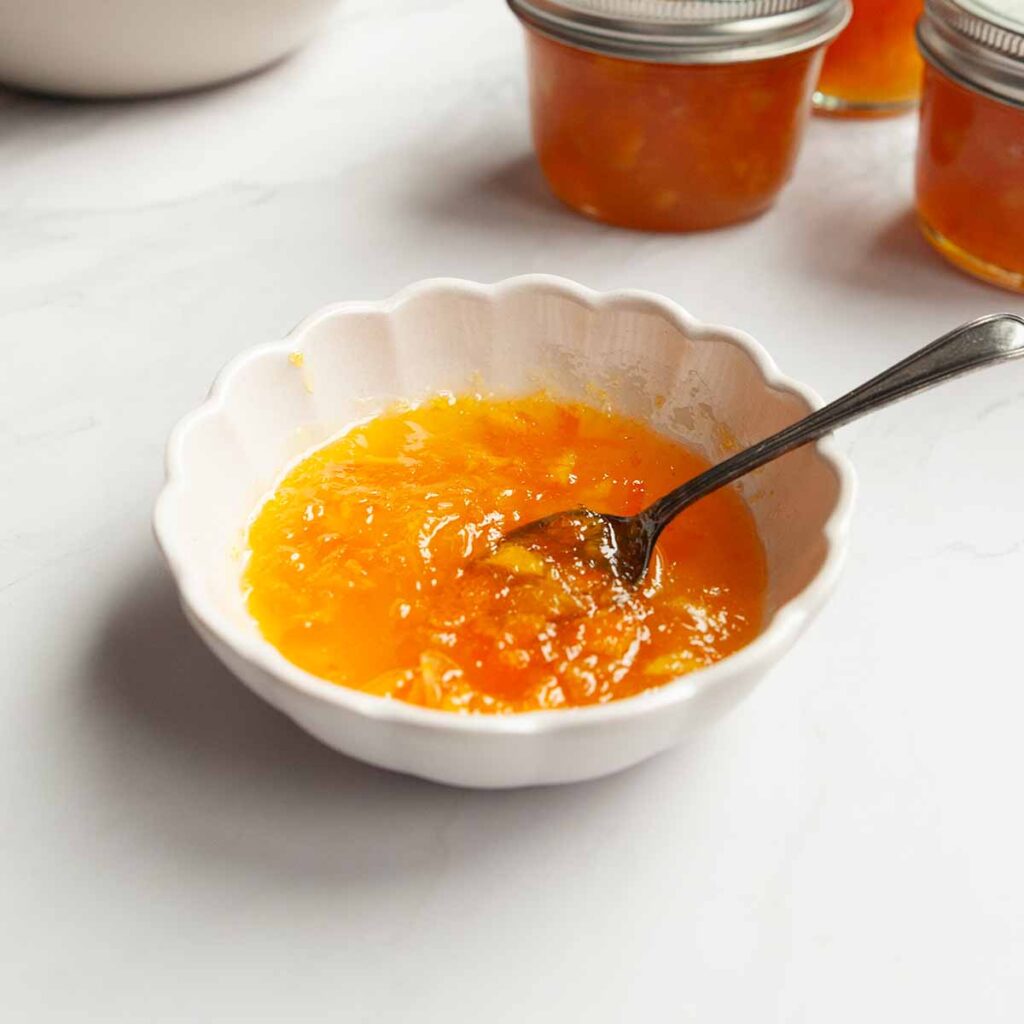
This orange lemon marmalade is a simple home canning recipe that adds fresh lemon to the classic breakfast spread for a tangy treat. Use this bittersweet fruit spread for your morning toast, as an easy glaze, or even add it to your cocktails.
Recipe at a Glance: Orange Lemon Marmalade
- Details
- Preservation method: Water bath canning
- Storage: In sealed jars at room temperature; refrigerator after opening.
- Storage life: Up to 1 year after canning and up to 2 months in the refrigerator after opening.
- uses for Marmalade
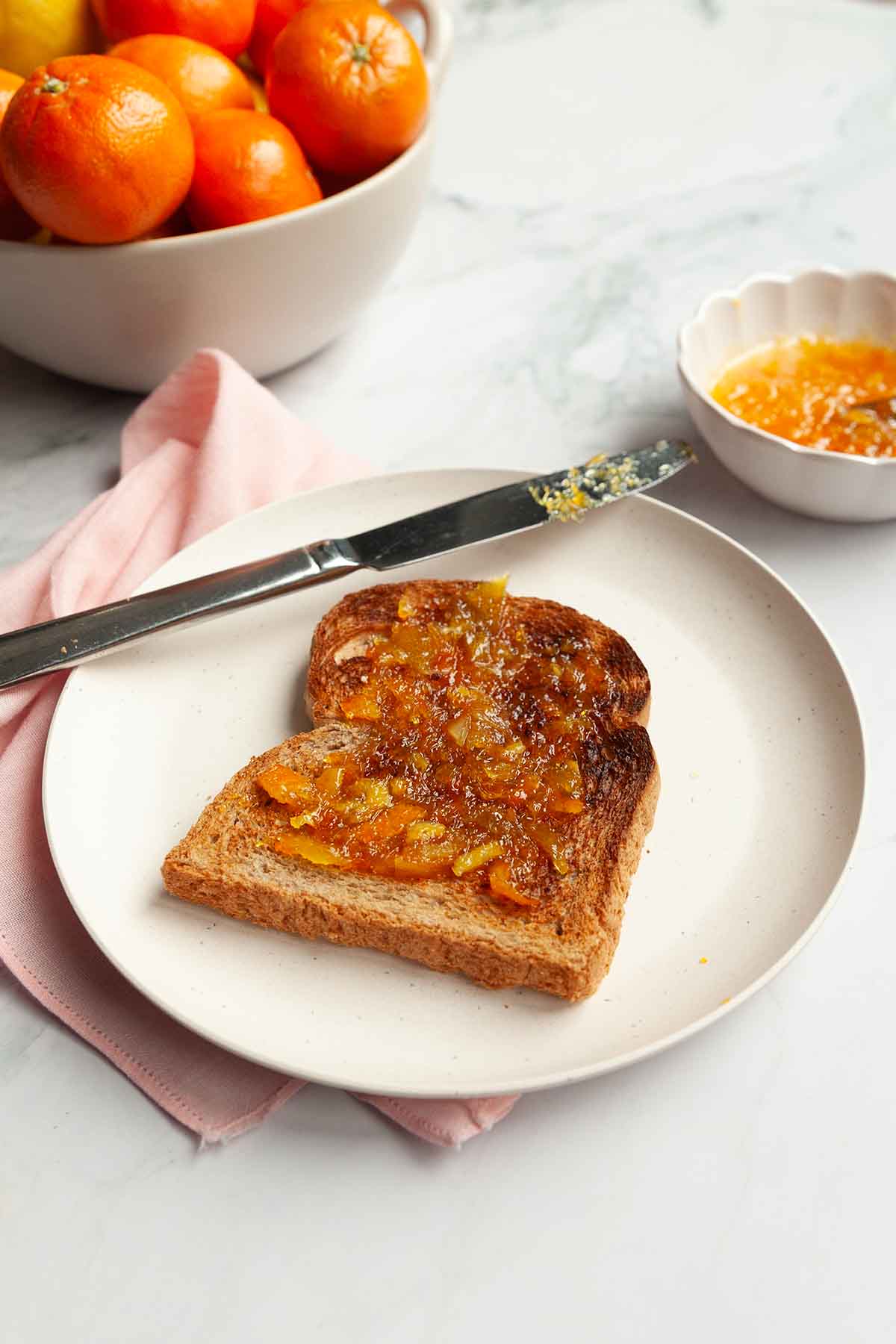
- Spread it over toast, English muffins, or scones as a breakfast treat.
- Use it to glaze roasted vegetables or meats.
- Add it to cocktails (breakfast martini), cookies, and cakes.
Homemade marmalade is incredibly simple to make, and tastes so much better than the store-bought version. Although marmalade isn’t as sweet as jam, I especially like the addition of lemon to this orange lemon marmalade recipe which gives it a slightly tangier flavor than plain orange marmalade.
If you’re new to canning, marmalade is a great place to start as it requires only 3 ingredients, and sets up quickly and easily, thanks to the high pectin content.
Ingredients & Substitutions
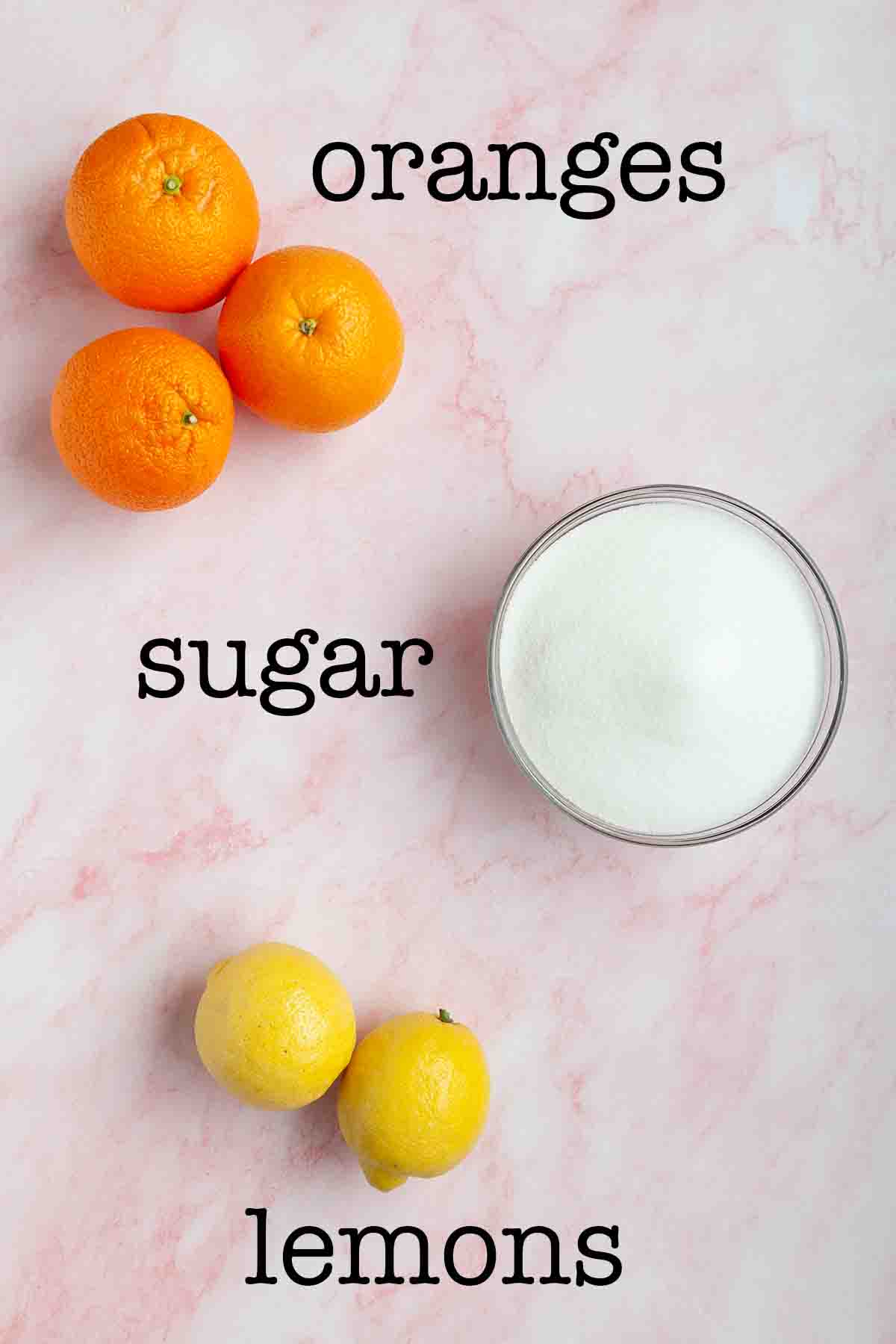
- Oranges–You can use your favorite types of oranges here, such as navel or Cara Cara. If you’re using a thin-skinned type of orange, like a mandarin or clementine, you can use the entire peel.
- Lemons–Look for plump, blemish-free lemons that feel heavy for their size.
How to Make Orange and Lemon Marmalade
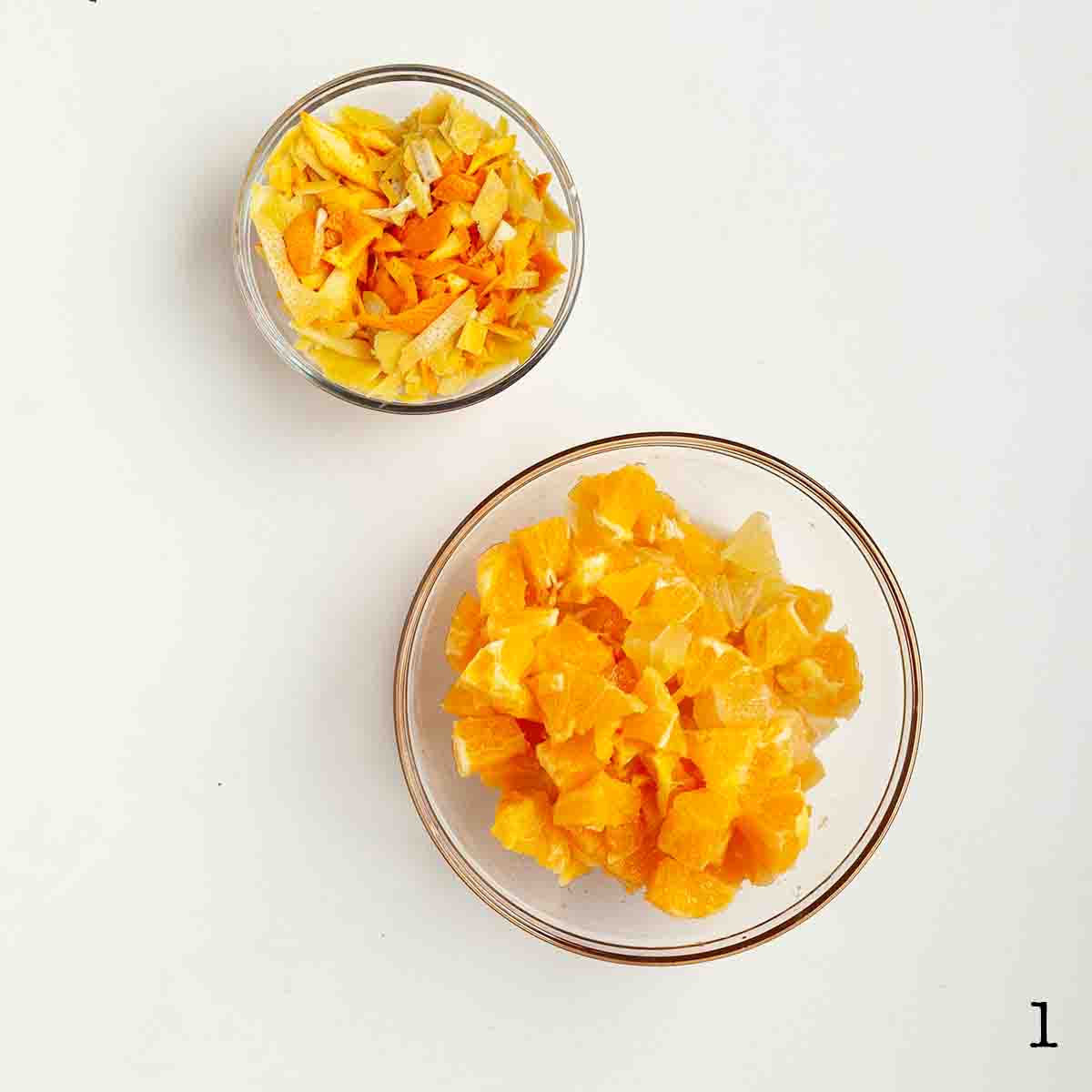
1. Remove the outer layer of peel from the oranges and lemons and set aside. Cut away and discard the white pith from the fruit. Chop the peel and fruit, discarding any seeds.
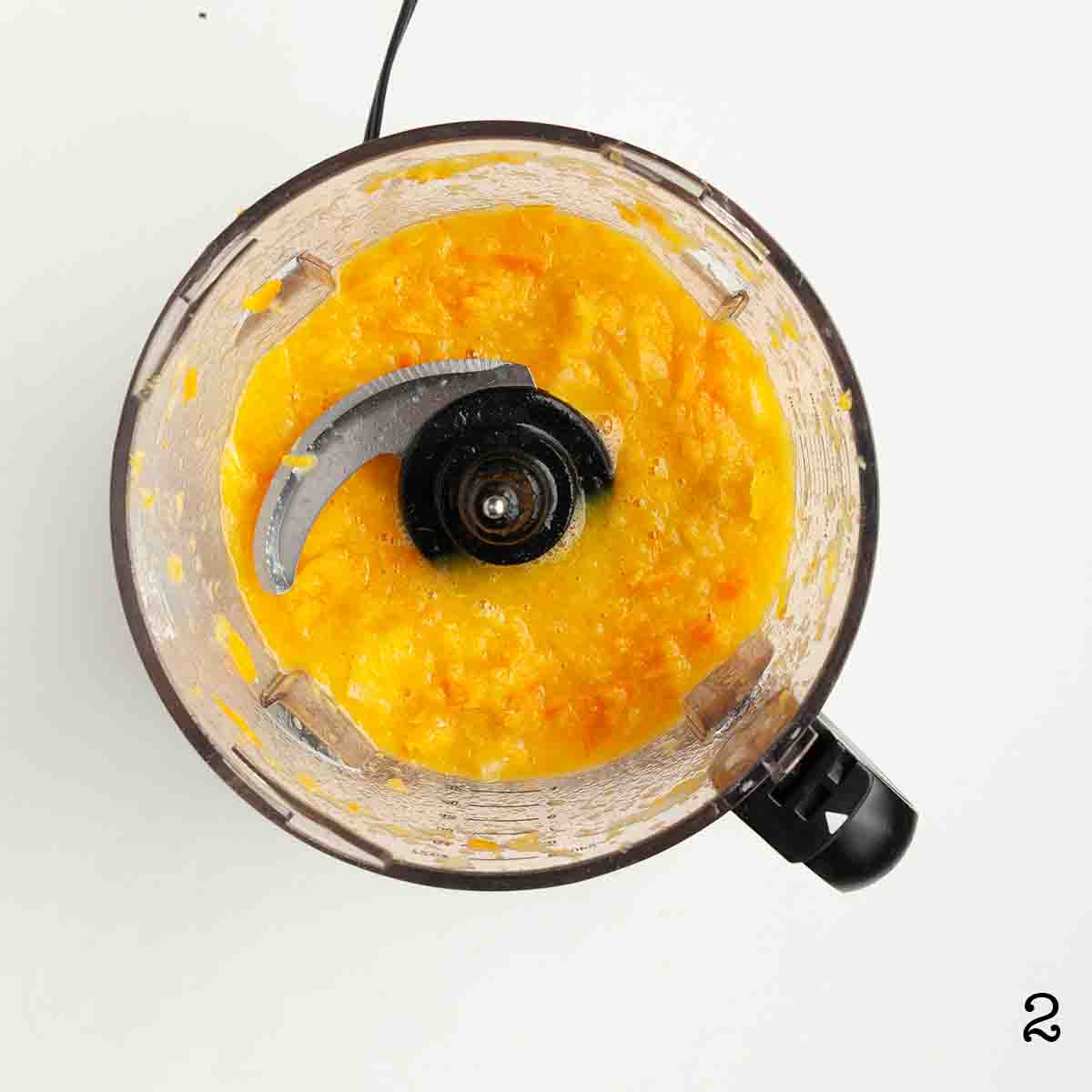
2. Combine the chopped fruit and peel in a food processor and blitz on low speed until everything is finely chopped.
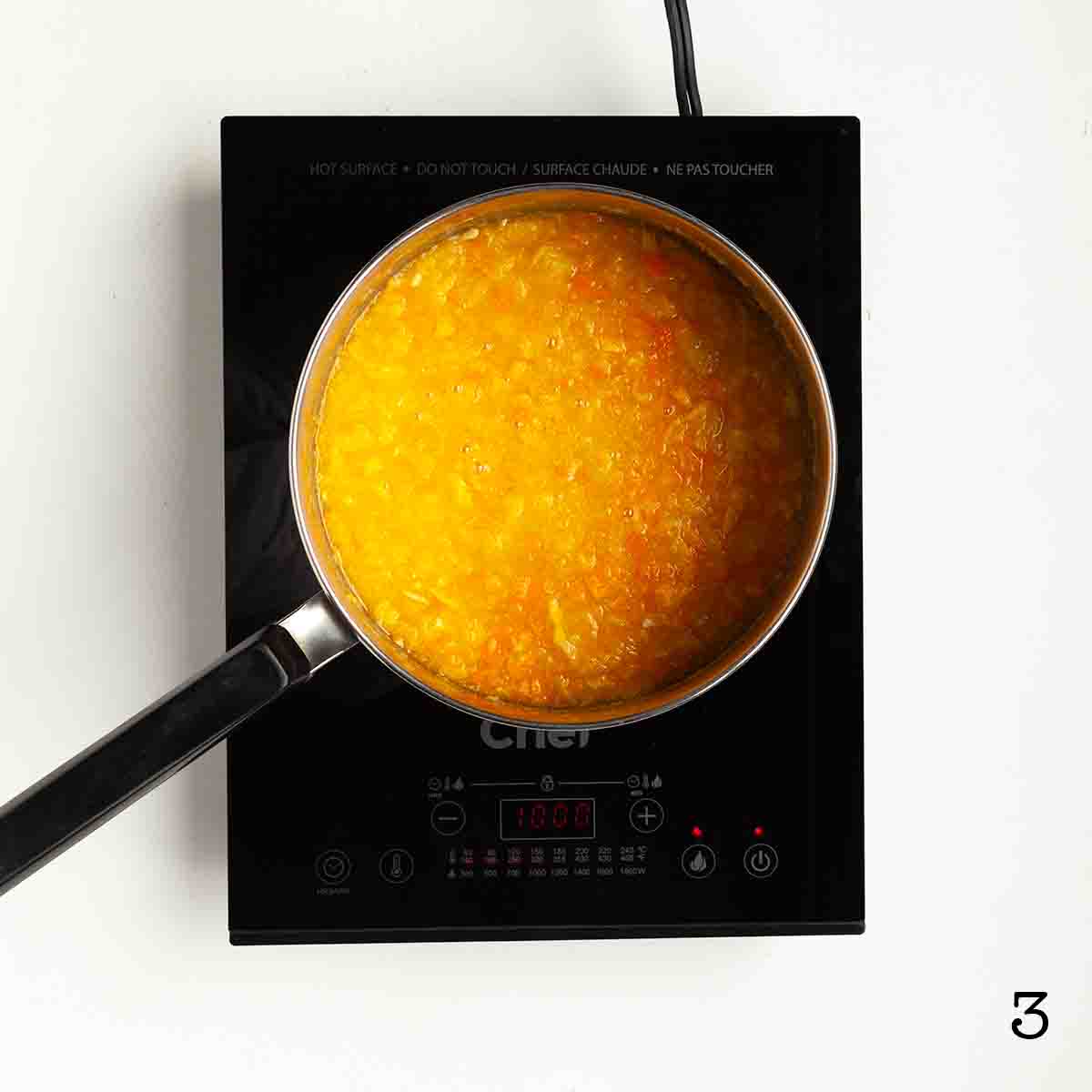
3. Cook the lemon orange marmalade over medium heat until it thickens and reaches 220°F (104°C) or passes the cold plate test.
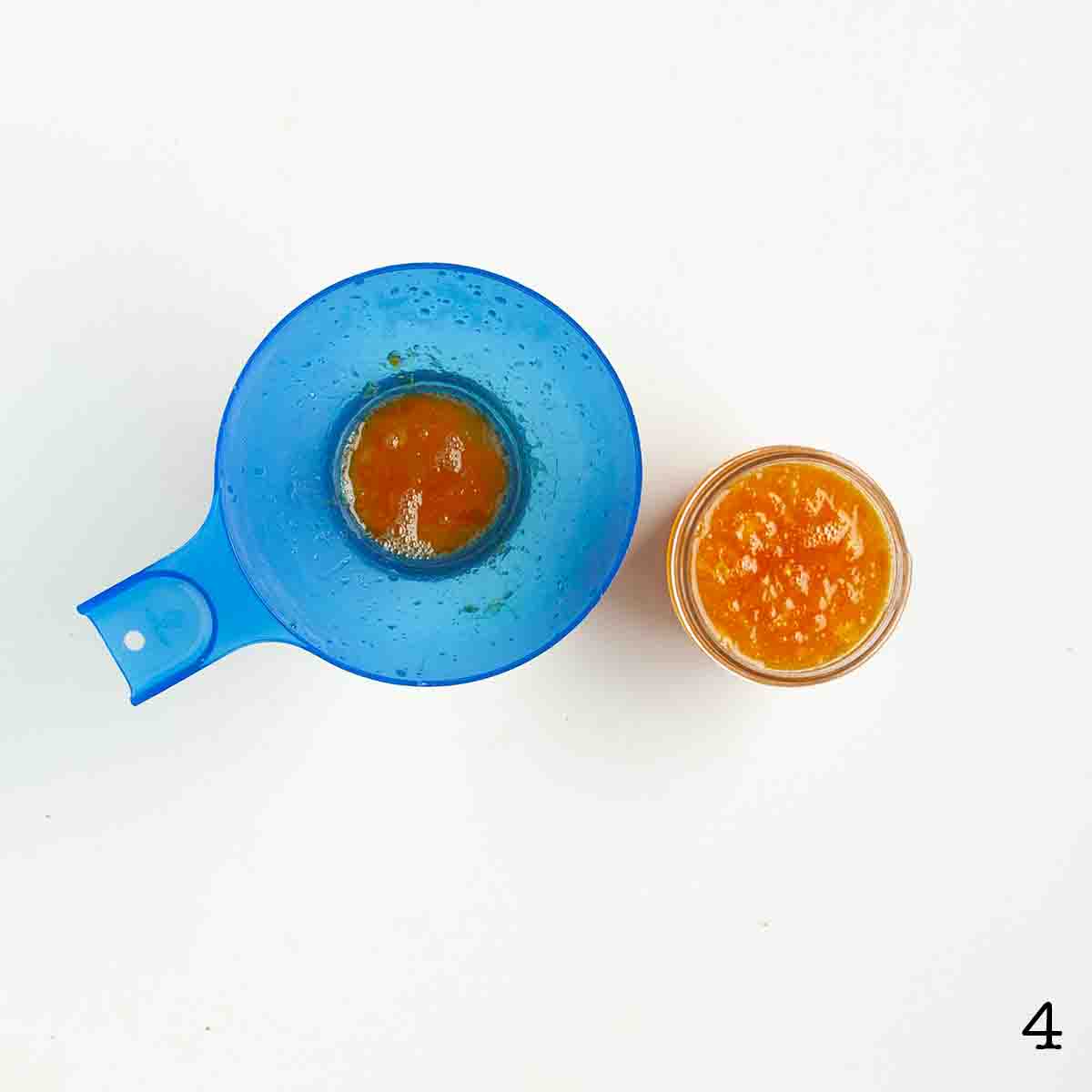
4. Divide the marmalade among canning jars. Seal and process in a hot water bath for 10 minutes, adjusting for elevation.
FAQs
If your marmalade isn’t cooked for long enough, or to a high enough temperature, it won’t set and will be runny. For best results, use a candy thermometer and cook until it reaches a temperature of 220°F (104°C).
Marmalade naturally has a bittersweet flavor from the peel of the citrus fruit. To avoid excessive bitterness, be sure to cut away the white pith from the fruit. You only want to use the very outer layer of the peel and the flesh of the fruit.
No. Once the marmalade is cooked, you can place it in sealed jars and store it in the fridge. Use it within 2 months.
Ways to Use Homemade Marmalade
The bittersweet citrus spread is best known as a breakfast staple, but it has plenty of other applications too. Here are a few of my favorites:
- Use it as a spread for toast, scones, or biscuits.
- Dollop it into the center of thumbprint cookies
- Use it as a filling or glaze in a cake.
- If cocktails are your thing, make a breakfast martini, which uses gin, marmalade, orange liqueur, and lemon juice.
- Try it as a glaze for roasted carrots or turnips.
- Brush it on to roasted meats.
Storage
If you water bath can your marmalade, it will be preserved indefinitely, but I recommend using it within 1 year for the best quality. Once open, store your marmalade in the fridge for up to 4 weeks.
Tips & Troubleshooting
- Since you’re using the outer peel of your citrus, be sure to wash it well before peeling. If possible, purchase organic fruits.
- Use a candy thermometer or the cold plate test to determine when your marmalade is set. If you’re using a thermometer, you’re aiming for a temperature of 220°F (104°C). The marmalade will continue to thicken as it cools. Don’t overcook your marmalade or it will be very thick.
- If you’re water bath canning the marmalade, adjust the cooking time for elevation by adding 5 minutes for every 3000 feet above sea level.
- This recipe is suitable for gluten-free, dairy-free, and vegan diets.
Orange Lemon Marmalade

Equipment
- 5 half-pint canning jars with lids and rings
- Water bath canner if canning
Ingredients
- 2.2 pounds (1 kg) oranges (about 3 large)
- 1 pound (450 g) lemons (about 2 large)
- 4 cups granulated sugar
Instructions
- Sanitize 5 half-pint jars. If you are planning to water bath can the marmalade, prepare your canner according to manufacturer's instructions.
- Use a sharp knife or vegetable peeler to remove the outer peel from the oranges and lemons, avoiding the white pith underneath. Coarsely chop the peel and set aside. You should have about 1½ cups peel.
- Use a sharp knife to remove the white pith from the fruit. Discard the pith. Coarsely chop the remaining fruit, discarding any seeds. You should have 3 to 4 cups fruit.
- Combine the peel and fruit in a food processor and pulse until the peel is finely chopped.
- Pour the marmalade mixture into a large saucepan and cook over medium heat until the marmalade thickens and reaches 220°F (104°C), 25 to 30 minutes. You can also check for set using the cold plate test.
- Divide the marmalade among the jars, leaving ½-inch (12 mm) of headspace. Wipe the rims clean, top with lids, then screw the bands on until fingertip tight.
- Store in the fridge if using immediately or process in a boiling water bath for 10 minutes, adjusting for elevation. Remove the jars from the water bath and let cool for 24 hours before moving.
Notes
- Wash well–Since you’re using the outer peel of your citrus, be sure to wash it well before peeling. If possible, purchase organic fruits.
- Know when it’s set–Use a candy thermometer or the cold plate test to determine when your marmalade is set. If you’re using a thermometer, you’re aiming for a temperature of 220°F (104°C). The marmalade will continue to thicken as it cools. Don’t overcook your marmalade or it will be very thick.
- Adjust for elevation–If you’re water bath canning the marmalade, adjust the cooking time for elevation by adding 5 minutes for every 3000 feet above sea level.
- Dietary–This recipe is suitable for gluten-free, dairy-free, and vegan diets.